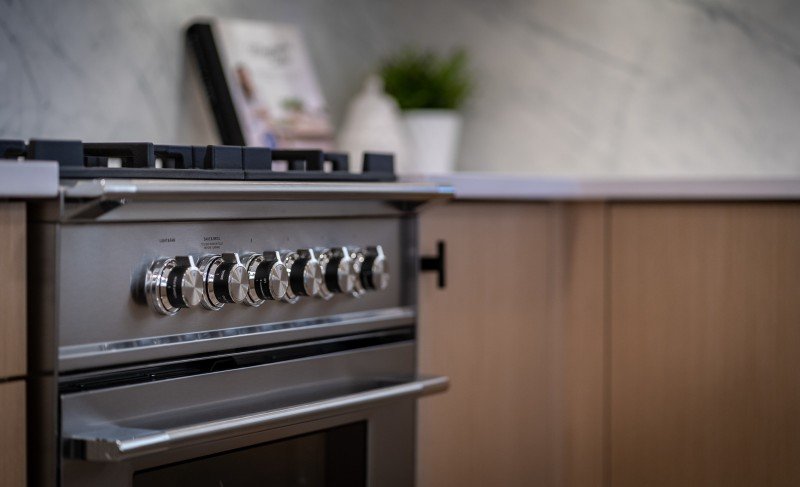

Ovens And Hobs
Add a review FollowOverview
- Founded Date June 11, 1922
- Sectors IT
- Posted Jobs 0
- Viewed 134
Company Description
Oven And Hob 101 Your Ultimate Guide For Beginners
How to Choose the Right Oven and Hob for Your Kitchen
We offer a variety of sizes, styles and features to suit any kitchen.
It is generally easy to use and hard-wearing solid plate hobs are sealed metal plates that cook your cookware. They are suitable for flat-based cookware and can be cost-effective to operate.
Origins
Ovens are used in kitchens around the world to roast and bake foods. Generally they are fueled by gas or electricity with gas bottles that are sold in certain stores but ovens can also make use of other fuels, like charcoal or wood. In a lot of homes, the oven is surrounded by a hob that food can be cooked. The distinction between a hob and an oven is that a stove has burners that can be switched off and on, whereas an oven has an enclosure where food is heated in the centre.
The first ovens were massive brick and mud constructions which contained a fire to cook food. These ovens were used to bake bread, cook meat, and for cooking other foods because they contained heat well and maintained a consistent temperature. They could also be shared by family members. The open pits and ovens had three major disadvantages: they were dangerous due to the smoke and flames that could be seen from them, they used a lot fuel (wood) and they were difficult to control heat and cooking.
The solution was found in ovens that resembled fireplaces, with a chimney which shut off the fire to lessen its intensity and smoke and make it easier to manage. These were common during the 16th and 17th centuries. They were found in homes of the wealthy with separate kitchens with a chimney as well as more than one oven and fireplace.
In the middle of the 19th century, European ovens were a common fixture in kitchens. This was largely due to the fact that the oven was essential. It was more secure and efficient to cook their food over an open fire or in a cauldron. It is thought that the development of the oven coincided with the changes in cooking techniques and recipes, which resulted in a greater emphasis on casseroles and meat.
It is important to note that in certain recipes like those from Nigella she may suggest leaving the pot “on the hob” however this could be misleading because hob is actually a British word for stove top. If you’re unfamiliar with British terminology, the North American equivalent would be a cooktop or range.
Functions
The oven’s functions, or cooking modes, are pre-programmed choices that control the way in which the oven’s heating elements and fan work based on the recipe. They are designed to make cooking food easier and more efficient, while preserving the taste and texture.
Ovens come with a traditional mode that cooks food from the top to the bottom. There is also a fan-assisted option that makes use of an integrated fan to circulate the air around the oven, allowing for more uniform and faster heating. There are a myriad of types of ovens and hobs to choose from, and it’s important to understand the different features to determine the ones that are best for your needs.
The fan-powered feature of the oven is perfect to cook a range of food items. It is able to heat the oven more evenly than a traditional oven, and is ideal for grilling, baking and roasting. It’s particularly useful for dishes that require quick, crisp and fast-drying, such as pizza or pies. The Fan-Assisted setting is identified with a zigzag at the top and a straight line at the bottom of a square, and it can cut down up to 40% of cooking time.
Some ovens have grilling functions that combine the heat from the bottom of the oven with that from the top to give your meals a delicious char. It’s perfect for kebabs made of meat or vegetables, and can be marked with the zigzag and straight lines like Fan-Assisted. This is usually found on the lower shelf of the oven. Be sure to be aware of the temperature settings of your oven to prevent overcooking.
There are also other oven functions like bread and pastry proofing, slow cooking, and more. They are typically programmed to create a warm, controlled environment that will facilitate the rise of dough and allow your food to develop wonderful flavours.
There are ovens with steam functions, which are perfect for creating healthy, nutritious food. It adds a small amount of moisture to your food, which helps preserve tenderness and adds an exquisite, rich flavor to poultry, vegetables baked goods, baked products, and even custards. This feature can be activated by simply placing water into the oven’s reservoir, and turning it on. Some models will even alter the amount of steam automatically depending on the temperature selected.
Types
There are many ovens and hobs available on the market. These vary from traditional gas models to modern electric models. Choosing one that meets your preferences and style can make a big difference to how it is easy to cook at home. Think about features like self-cleaning or smart features.
Gas ovens work well in many kitchens and are a popular option. They are easy to use as they come with rings on the burners and a grate where pans rest that emits heat. Gas hobs are also energy-efficient and offer precise temperature control. This can help cut your utility bills. However, they can take longer to heat than electric and can be difficult to clean if they are left with residues.
Electric hobs are available in a variety of different styles, including ceramic and induction. Induction hobs can be slightly more expensive to purchase, but they are considered energy efficient as the hob only produces heat when you place a pan over it. They also stay cool to the point of contact, making them safer for children. They are fairly quick to heat up. However, they don’t always cook evenly and can be slow to cool down.
Plate hobs are a classic of the kitchen, offering an array of cooking zones that are placed on a flat surface that sits underneath your kitchen appliances. They are sleek and have a modern look that will complement most kitchens. They are difficult to clean as they have a variety of zones with uneven heating. If not properly cleaned they may leave burn marks.
The most common model is the built-in single oven. These can be installed either beneath a hob, or in an built-in cabinet. They are usually large enough to hold a large meal and come in different sizes, so be sure to take into consideration your family’s size when choosing an oven. They can also be found with additional options such as a grill or a steam function.
Installation
It could be worthwhile to hire an electrician to set up a new oven for you or replace an old one. This will ensure that the electrical circuit is correctly installed and that your new appliance is safe to use. A licensed electrician will be able to follow local regulations and ensure that the installation is in accordance with all relevant safety codes.
You’ll require all the tools and equipment you require prior to beginning the installation of your new electric hob and oven. These include wire nuts, a screwdriver, electrical tape, an electrical circuit tester and conduit. It’s also important to test the electrical power supply in your home to ensure it can handle the load of a brand new electric oven and hob.
The first step in the process of installing a new hob and oven is to take out any old appliances. Find the bolts or screws that hold the old appliance, and then remove them with care. After the old appliance has been removed from the area, it must be cleared of any obstructions. The junction box must be installed, with the conduit connected to the electrical supply. This must be done in accordance with manufacturer’s instructions as well as any relevant local regulations.
After electrical connections have been made and the oven or hob is connected, it is then lowered into the desired position. The fitter will then make use of the clips supplied with the hob to secure it to the wall and ensure that it’s flush with the worktop. The fitter will then test the hob to confirm that it is functioning properly.
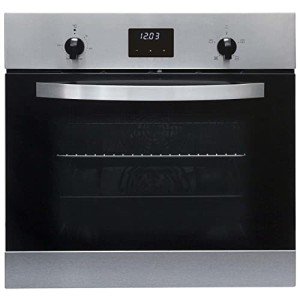 If you’re installing a gas hob and oven, it’s best to engage a professional to do the task. Gas installation is not as easy as connecting an electric oven. A CORGI certified engineer must connect the pipes. Installing a cooker hood is also a good option for those who don’t have one. This will help ventilate your kitchen, and is required under Part F of the Building Regulations.